Cute Skull Embroidery Design Review
First Impressions: A Playful Edge with a Dark Twist
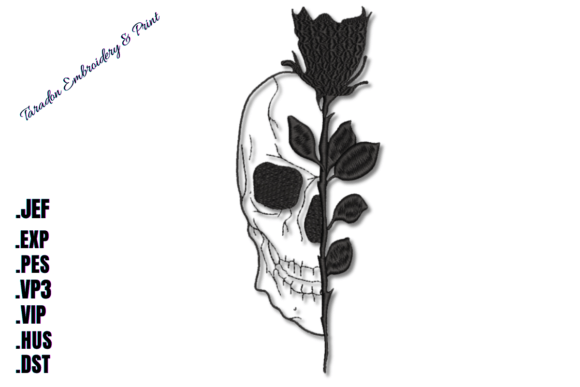
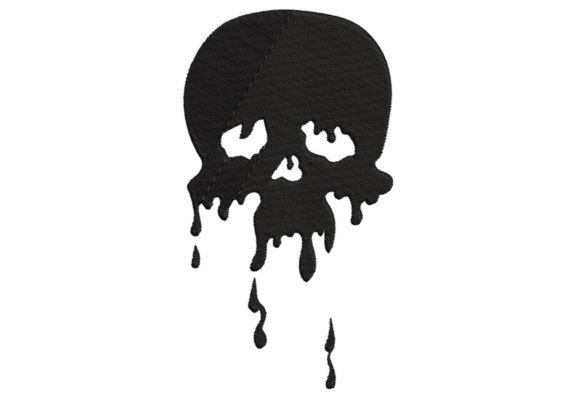
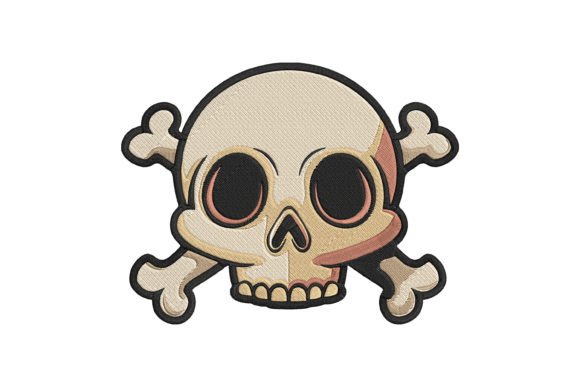
At first glance, the Cute Skull machine embroidery design feels like a clever juxtaposition of whimsy and edginess. It’s not your typical Halloween motif; instead of being outright spooky, it leans into a playful, stylized interpretation of a skull. The design has a soft, rounded shape that gives it a cartoonish charm while still hinting at its darker theme. This makes it versatile for both seasonal and year-round projects.
The visual personality is clear—this isn’t meant to be scary but rather a cheeky nod to the macabre. It’s perfect for those who want to add a little flair without going overboard. The detail level is just right, with enough definition to be recognizable but not so intricate that it becomes overwhelming on smaller items.
Real-Life Use: What Works and What to Watch For
Imagine you're preparing a custom embroidered tote bag for a boutique or an Etsy shop. The Cute Skull would sit well on a larger surface, giving the bag a fun, slightly edgy look that appeals to younger audiences or those with a sense of humor about Halloween. On a tote, the design has room to breathe and won’t feel cramped.
When considering sweatshirts or t-shirts, the design could work well as a front or back patch, especially if paired with complementary text or graphics. However, if using it on smaller items like caps or patches, you’ll need to ensure the hoop size is appropriate and that the design doesn’t get lost in scale.
For baby clothes, this might be a bit too bold unless the overall aesthetic of the garment leans into playful themes. But for nursery decor or holiday gifts, it can be a unique touch that stands out from generic designs.
If you're working with dark fabrics, make sure to test thread color contrast first. While the design likely comes with multiple embroidery files, checking how it looks against black or navy backgrounds will help avoid surprises later.
Design Performance in Real Projects
The Cute Skull holds up well in a variety of real-life embroidery scenarios. Whether you're creating personalized gifts, craft fair products, or small shop merchandise, this design brings a consistent visual appeal that can elevate your handmade product line.
On pillow covers or tea towels, the design adds character without overpowering the item. In commercial embroidery settings, it’s a great asset for craft businesses looking to offer something unique yet approachable.
One thing to consider is stitch density. If the design is dense in certain areas, it may require additional stabilizer or a different type of fabric to prevent puckering. Testing on scrap fabric before committing to a final project is always a good idea.
Where to Use with Caution
While the Cute Skull is adaptable, there are some situations where care is needed. On thin or stretchy fabrics, the design may not hold its shape as well, especially if it's placed near seams or edges. Similarly, curved surfaces like caps or layered garments might distort the look unless the design is specifically tailored for those applications.
Detailed corners or tiny lettering within the design should also be inspected closely. If the file includes small elements, they may not stitch clearly on lower-quality machines or with less precise needlework.
Lastly, when using this design for commercial purposes, always confirm the licensing terms. Even though the design seems suitable for Etsy sellers or digital product previews, proper rights must be in place before selling finished items or printable mockups.
Embroidery Designer Notes: Practical Tips Before You Stitch
Before using Cute Skull in any project, take the time to test the design on scrap fabric. This helps you see how the thread colors interact with your chosen fabric and whether the stitch density is manageable.
Review the hoop size required for the design, and ensure your machine can handle it. If the design includes satin stitch or fill stitch areas, consider using a stabilizer to maintain the integrity of the embroidery.
Also, think about brand consistency. If you're a craft business owner or small shop product creator, how does this design fit into your overall brand identity? Does it match the tone of your other design assets? These considerations will help ensure your finished product looks cohesive and professional.
Finally, don’t forget to check light and dark fabric backgrounds in a black and white mockup to see how the design translates across different materials. This step can save you from unexpected results once the stitching is complete.